The Duty of Light Weight Aluminum Casting in Ingenious Production Solutions and Applications
Light weight aluminum Casting has actually become a vital element in modern production. Its capability to produce light-weight and complicated parts is particularly important throughout numerous markets. As industries undertaking for efficiency and ingenious style, the developments in aluminum Casting technologies are significant. Nonetheless, the effects of these advancements extend past plain manufacturing. Comprehending the complete impact of aluminum Casting could expose unanticipated insights right into future production practices.
Recognizing Light Weight Aluminum Spreading: A Fundamental Introduction
Aluminum casting acts as an essential procedure in the production industry, transforming molten aluminum into complex shapes and elements. This approach includes various strategies, including sand spreading, die casting, and investment casting, each customized to specific applications and needs. In sand casting, mold and mildews are produced from sand and made use of to form complex geometries, while die Casting uses high-pressure to inject light weight aluminum right into steel mold and mildews, making sure accuracy and speed. Financial investment casting, on the other hand, uses remarkable detail and surface finish, making it suitable for detailed styles. The light weight aluminum Casting procedure starts with melting light weight aluminum, followed by putting it right into prepared mold and mildews. As soon as cooled, the cast components undergo ending up procedures, such as machining and surface area therapy, to enhance their performance features. Understanding the principles of aluminum Casting is vital for manufacturers looking for to leverage the distinct residential or commercial properties of light weight aluminum in their manufacturing procedures, ensuring high quality and effectiveness in the end products.
Benefits of Aluminum Casting in Manufacturing
Aluminum casting offers various benefits in manufacturing, mainly because of its light-weight nature, which boosts item effectiveness. Furthermore, its premium deterioration resistance expands the long life of actors parts, lowering upkeep costs. The capacity to develop complicated shapes permits for cutting-edge styles that meet diverse sector requirements.
Lightweight Product Perks
While different materials are employed in production, the light-weight nature of aluminum Casting offers substantial benefits that improve efficiency and efficiency. This particular minimizes the general weight of components, facilitating easier handling and transport throughout the production procedure. Additionally, lightweight light weight aluminum parts add to improved gas effectiveness in automotive and aerospace applications, eventually leading to lower operational expenses. The lowered weight can likewise make it possible for even more flexible styles, permitting engineers to introduce without endangering structural integrity. The rapid manufacturing capacities of aluminum Casting enable suppliers to produce light-weight elements swiftly, fulfilling the expanding demand for effective and cost-efficient options. On the whole, the lightweight benefits of aluminum Casting play a crucial role in modern manufacturing practices.
Superior Rust Resistance
When thinking about products for manufacturing, the premium corrosion resistance offered by light weight aluminum Casting stands out as a vital advantage. This intrinsic home enables aluminum cast parts to stand up to extreme environments, making them suitable for various applications in industries such as automobile, aerospace, and marine. Unlike many metals, aluminum creates a protective oxide layer that inhibits more oxidation, ensuring longevity and longevity. This resistance not only lessens upkeep prices however additionally enhances the general life-span of products. In addition, the light-weight nature of aluminum, integrated with its corrosion resistance, makes it a recommended option for makers seeking to improve performance and efficiency while reducing weight. Ultimately, this particular placements light weight aluminum Casting as a reputable product in ingenious manufacturing remedies.
Facility Shape Capacities
Launching the capacity for detailed styles, aluminum Casting masters its capability to develop complicated forms with accuracy and effectiveness. This production method allows for the manufacturing of comprehensive parts that might be challenging or impossible to attain with other methods, such as machining or building. The fluidity of molten aluminum enables it to load complex molds, catching great details and making certain a high degree of dimensional precision. Additionally, the flexibility of light weight aluminum alloys improves the layout opportunities, fitting various applications across markets. Aluminum Casting Manufacturer. With reduced material waste and shorter preparations, aluminum Casting not only simplifies production yet also promotes ingenious layout options, making it a recommended choice for suppliers and designers seeking to press the boundaries of style and performance
Recent Advancements in Light Weight Aluminum Casting Technologies

New alloys are being created to improve mechanical homes, supplying increased stamina and deterioration resistance. In addition, advancements in simulation software allow producers to anticipate casting end results with higher precision, decreasing issues and maximizing layouts. The execution of automation and robotics in casting procedures has in addition structured procedures, minimizing labor costs and enhancing precision. In general, these developments setting aluminum Casting as an essential innovation in the development of manufacturing, accommodating the expanding requirement for ingenious and sustainable services across various industries.
Key Industries Benefiting From Aluminum Spreading
Aluminum Casting has emerged as an important technology for numerous key sectors, considerably transforming their manufacturing processes. The auto field has greatly profited, using aluminum castings for light-weight components that improve gas efficiency without compromising security. Likewise, the aerospace sector leverages aluminum for its high strength-to-weight proportion, enabling the manufacturing of aircraft components that enhance performance and lower operational expenses.
The electronics industry additionally locates light weight aluminum Casting helpful, as it provides efficient thermal management solutions for digital gadgets. In the building and construction industry, aluminum spreadings are progressively made use of for structural components because of their corrosion resistance and durability. Additionally, the clinical equipment sector uses aluminum Casting to produce precise instruments and tools, ensuring high requirements of top quality and reliability. Collectively, these industries emphasize the convenience and efficiency of aluminum casting, placing it as a keystone of modern manufacturing solutions.
Situation Researches: Effective Applications of Light Weight Aluminum Casting
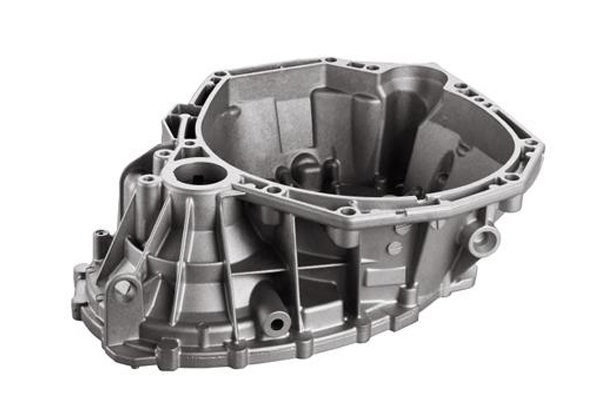
Successful applications of aluminum Casting illustrate its transformative effect throughout different sectors. In the auto sector, firms have used light weight aluminum casting to create light-weight engine parts, considerably improving fuel efficiency while preserving stamina. Extremely, a leading supplier took on pass away Casting strategies to develop intricate transmission real estates, causing a 20% decrease in weight compared to standard products.
In aerospace, aluminum castings have been utilized for important airplane components, improving performance and decreasing overall prices. A prominent copyright company teamed up with a spreading company to develop high-strength wing braces, showing superior durability under extreme problems.
In addition, the electronics sector has actually gained from aluminum Casting by producing heat sinks that maximize thermal administration for high-performance gadgets. A tech titan carried out precision Casting to attain detailed styles, leading to enhanced item efficiency. These study underscore aluminum casting's flexibility and its essential duty in driving advancement across numerous sectors.
Ecological Effect and Sustainability of Aluminum Casting
While the advantages of aluminum Casting are well-recognized, its ecological impact and sustainability are significantly essential factors to consider in contemporary production. The production of aluminum includes significant energy intake, mostly from the extraction and refining of bauxite ore, which can add to greenhouse gas exhausts. Aluminum Casting uses a path to sustainability through recycling. Recycled light weight aluminum requires only about 5% of the power needed for main manufacturing, greatly lowering the carbon footprint.
Moreover, aluminum's lightweight residential properties enhance fuel effectiveness in transport applications, further alleviating ecological influences. Makers are also taking on cleaner modern technologies and methods, such as utilizing renewable resource resources and boosting waste monitoring systems, to decrease their ecological footprint. In general, while challenges remain, the potential for sustainability in aluminum Casting is substantial, making it an important element of environmentally responsible production remedies. Business are urged to focus on lasting methods to promote a greener great post to read future in this market.
Future Trends in Light Weight Aluminum Casting and Production Solutions
Lasting Production Practices
As sectors increasingly prioritize sustainability, aluminum Casting is progressing to integrate even more green techniques and modern technologies. Producers are embracing closed-loop systems that recycle light weight aluminum scrap, decreasing waste and power usage. By using renewable resource sources such as solar and wind, casting facilities objective to decrease their carbon impact. Advanced methods, like using water-based coverings rather than solvent-based ones, further improve the ecological profile of aluminum Casting processes. Additionally, there is a change towards lightweight layouts that maximize product usage, contributing to source useful content performance. Collective efforts amongst companies to share best practices and innovations in lasting manufacturing are also rising, mirroring a commitment to ecological stewardship within the light weight aluminum Casting market.
Advanced Casting Technologies
Ingenious Casting technologies are set to change the light weight aluminum manufacturing landscape, driving effectiveness and accuracy to unprecedented degrees. Methods such as 3D printing and automated mold-making procedures are arising, allowing the manufacturing of complicated geometries that were formerly unattainable. These innovations not only reduce waste however additionally reduce lead times, boosting general efficiency. Additionally, the assimilation of simulations and predictive analytics helps with enhanced quality assurance, permitting producers to predict potential issues and enhance layouts before production. Advanced alloys and therapy procedures enhance the mechanical properties of cast light weight aluminum, increasing its applications throughout numerous industries. As these innovations develop, they promise to produce a much more agile and receptive production ecological community, positioning light weight aluminum Casting at the center of advancement.
Sector 4.0 Integration
With the increase of Sector 4.0, light weight aluminum Casting is positioned to undertake significant improvements that utilize data-driven remedies and clever technologies. The assimilation of the Internet of Things (IoT), artificial intelligence (AI), and advanced analytics will make it possible for producers to enhance production processes, minimize waste, and improve quality assurance. Smart sensing units can supply real-time data on temperature, product, and pressure properties, helping with predictive maintenance and reducing downtime. Furthermore, automation and robotics will certainly improve precision and efficiency in casting operations. These innovations will certainly not just enhance process however also enable personalization and quick prototyping, satisfying the developing demands of the market. Therefore, aluminum Casting will play a critical role in the future landscape of production, defined by boosted agility and sustainability.
Frequently Asked Inquiries
What Are the Typical Defects in Aluminum Casting Processes?
Usual problems in light weight aluminum Casting processes include porosity, contraction, incorporations, surface blemishes, misruns, and cool shuts. These problems can arise from variables such as incorrect temperature control, inadequate mold layout, and contamination during casting.
How Does Light Weight Aluminum Casting Contrast to Other Casting Techniques?
Aluminum casting, noted for its light-weight and deterioration resistance, usually outmatches methods like iron or steel Casting site in certain applications - Aluminum Casting Manufacturer. Its capacity to create detailed designs and preserve dimensional accuracy boosts its affordable side in manufacturing
What Is the Normal Lifespan of Light Weight Aluminum Cast Products?
The regular life expectancy of light weight aluminum cast items differs based upon usage and ecological conditions, frequently ranging from numerous years to decades. Aspects such as deterioration resistance and mechanical tension substantially influence their durability and efficiency.
Can Light Weight Aluminum Casting Be Used for High-Temperature Applications?
Light weight aluminum Casting can be made use of for high-temperature applications, although its performance is limited by the melting point of light weight aluminum. Specialized finishes and alloys might boost toughness and resistance under severe thermal problems, ensuring effective capability.
What Are the Safety And Security Precautions in Aluminum Casting Operations?
Security preventative measures in light weight aluminum Casting procedures consist of making use of individual safety tools, ensuring correct ventilation, keeping track of temperature, preserving equipment, and sticking to security protocols. These steps help stop mishaps and secure workers from potential hazards related to molten aluminum.
Light weight aluminum casting offers as a pivotal procedure in the production market, transforming molten aluminum right into complex shapes and parts. The light weight aluminum Casting process begins with melting aluminum, adhered to by pouring it right into ready molds. The future of aluminum Casting is positioned for considerable change with the adoption of sustainable production methods and advanced Casting technologies. Light weight aluminum spreading, noted for its light-weight and deterioration resistance, usually outmatches techniques like iron or steel Casting in specific applications. Light weight aluminum Casting can be made use of for high-temperature applications, although its performance is restricted by the melting point of light weight aluminum.